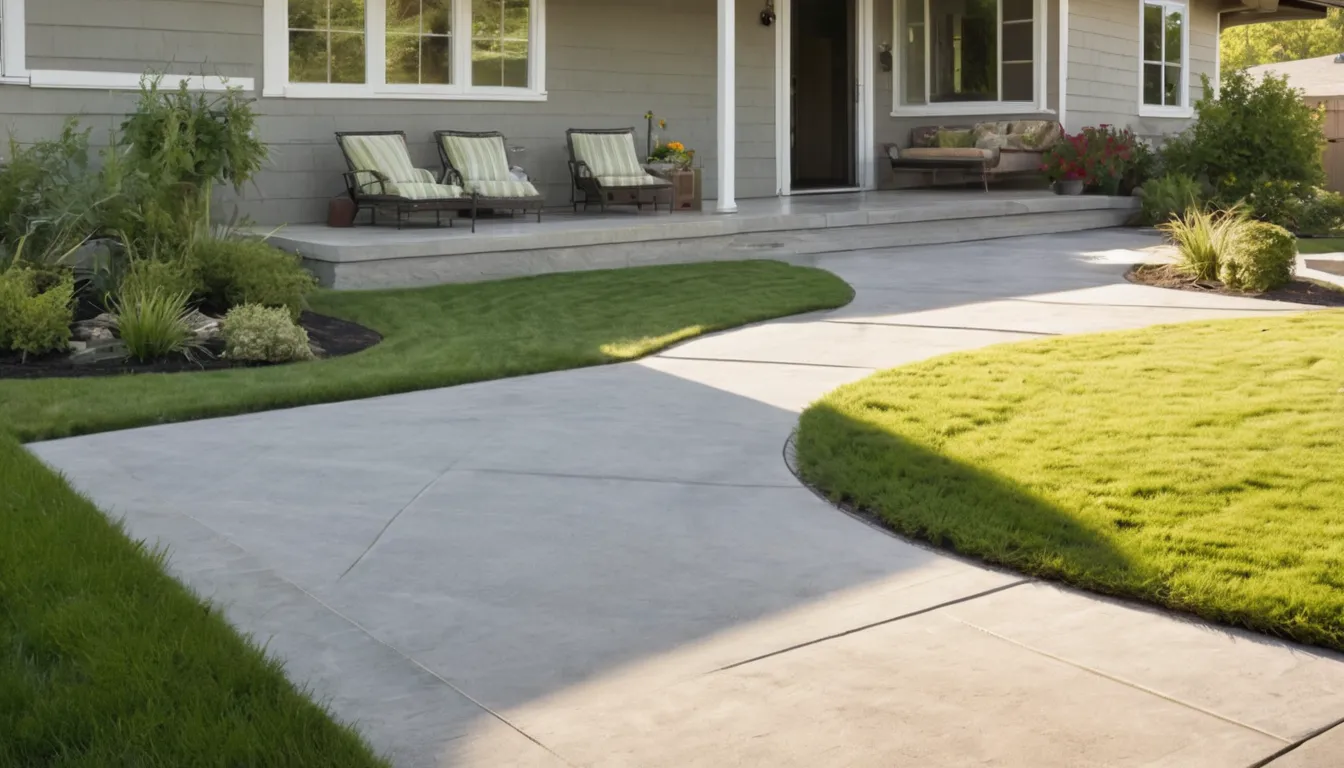
Residential Concrete Patios Built to Last
Request a patio estimate today
Picture a flat, clean spot behind the house where the grill, the chairs and the kids all fit. That is what a poured concrete patio gives you. It handles furniture, foot traffic and years of weather when it is planned well.
Decdramatic Concrete is a referral service. We do not pour concrete. We connect homeowners in the Eagle area with independent providers who handle residential concrete flatwork, from layout and base prep to finishing. You share your idea, a provider talks it through, and you decide what happens next. Ask before you pour, and the whole project gets easier.
Is a Concrete Patio Right for Your Yard?
Maybe you have a patch of lawn that turns to mud, or a small stoop that cannot hold a table. A concrete patio fixes both. It gives you a firm, level surface that suits bungalows, ranch homes and older frame houses alike.
Why Do So Many Homeowners Pick Concrete?
It is sturdy, and it is flexible in style. Concrete handles heavy planters, grills and a crowd of guests. It also takes color, texture and patterns, so it can match nearly any home.
- Firm footing for furniture and fire pits
- Many finishes, from plain to patterned
- Simple routine care once it cures
What Should You Do First?
Start with the timing question. Concrete needs mild weather to cure well, and busy seasons fill provider calendars. If you want a patio before summer gatherings, reach out early.
You do not need to talk to anyone to begin. Use the request form and describe your yard in a few lines. If you would rather talk it through, request a callback to check provider availability.
What Does a New Patio Project Include?
Most jobs follow the same path. A provider measures the spot, marks the outline and removes grass or old material. Next comes a compacted gravel base, forms to hold the shape, and sometimes steel mesh or rebar. Then the concrete is poured, leveled and finished.
After that, the slab cures. Joints are cut so it can move without cracking at random.
How Big Should the Patio Be?
This is the question people skip, then regret. Think about what will sit on it. A bistro set needs far less room than a dining table, a grill and a lounge chair.
A handy trick: set your furniture on the lawn and walk around it. Leave space to pull chairs out. Many homeowners add a little extra, since adding concrete later rarely blends in.
Which Finish Looks Right?
There are a few popular choices.
Broom Finish
This is a light, textured surface that gives good grip when wet. It is a common, practical pick.
Colored or Stained Concrete
Color can be mixed in or applied on top. It warms up a gray slab and can echo your siding or trim.
Stamped Concrete Patios
Stamped concrete patios mimic stone, brick or wood. Ask the provider how the pattern and sealer hold up in your climate.
Will Frost and Storms Hurt a New Slab?
Cold winters with deep frost can stress concrete. So can hot, humid summers and hard hail. Good providers plan for this with a solid base, proper joints and a mix suited to freeze and thaw.
Ask which mix they use and whether air-entrained concrete is part of the plan. It helps the surface resist winter damage.
Where Will the Water Go?
This matters more than most people think. Spring flooding and heavy thunderstorms send water toward the house. A patio should slope gently away from the foundation, usually a small drop per foot.
If you have a basement with a sump pump, mention it. Water pooling beside the walls can add to the load. If you ever notice cracks in the walls or doors that stick, foundation repair experts are a separate call from a patio provider.
How Do You Choose a Concrete Provider?
Think of it as a short interview. You are looking for clear answers, not a sales pitch.
- Ask if they are licensed and insured where your state requires it.
- Ask what base depth they use and how they handle drainage.
- Request a written quote that lists materials, finish and cleanup.
- Ask about the cure time and when you can use the space.
Decdramatic Concrete does not vouch for any single provider. We simply make the first connection easier, and you compare from there.
Does Old Concrete Need to Come Out First?
Sometimes. If a worn slab already sits there, a provider may suggest removal, then a fresh base. Patching works for small cracks, but concrete driveway repair or patio patching is a different job from a new pour. Describe what is in your yard now so the quote fits.
How Do You Keep the Patio Looking Great?
Plan the upkeep before the first barbecue. The work is small, and it pays off.
Seal It on Schedule
A quality sealer blocks water, stains and de-icing damage. Many providers suggest resealing every few years. Ask what fits your finish.
Clean Gently
Sweep often and rinse with a hose. Use mild soap for spills. Skip harsh chemicals unless the provider approves them.
Protect It in Winter
Go easy on de-icing salts, especially in the first winter. Shovel with a plastic blade to avoid scratches. Keep gutters and downspouts clear so water drains away from the slab.
Watch for Early Cracks
Hairline cracks at joints are common. Wider gaps or uneven spots deserve a closer look. Fix them while small and they stay small.
How Long Before You Can Use It?
Foot traffic is often fine after a day or two. Furniture and heavy items usually wait longer, and full strength takes about a month. Your provider will give you the specifics for your mix and weather.
What Is the Next Step?
Write down your size, shape and finish ideas, even if they are rough. Then reach out. Request a callback to check provider availability, or send the request form and wait for a reply. Pour it right the first time, and the patio stays a place you enjoy.
What's Included
Layout and Marking
The provider measures your yard, marks the outline and talks through size, shape and where water should flow.
Base and Form Prep
Grass is cleared, gravel is compacted and forms are set so the slab sits level and firm.
Pour and Finish
Concrete is placed, leveled and finished with the texture, color or pattern you picked.
Curing and Cleanup
Joints are cut, the slab cures and the site is tidied before you start using it.
What Do Concrete Patios Typically Cost?
Prices vary by size, finish, site access and local labor. These are typical U.S. ranges only. Ask each provider for a written quote that lists what is included before you agree to anything.
| Item | Typical range | Notes |
|---|---|---|
| Basic broom-finish patio (per sq ft) | $6 – $12 | Plain gray, standard base and forms |
| Colored or stained concrete (per sq ft) | $8 – $15 | Depends on color method and sealer |
| Stamped patio (per sq ft) | $12 – $20 | Pattern complexity changes the price |
| Old slab removal | $1,000 – $3,000 | Varies by thickness and haul-away |
| Sealing a new patio | $200 – $800 | Size and sealer type matter |
| Typical total, medium patio | $3,000 – $9,000 | Layout, drainage and finish drive the range |
How It Works
Share Your Idea
Tell us roughly how big the patio should be and which finish you like, using the form.
Get Connected Locally
We pass your request to an independent provider in your area who can follow up.
Review the Written Quote
Compare scope, finish and drainage details, then ask any questions before you agree.
Pour and Plan Upkeep
The provider builds the patio. Then you seal and clean it to keep it sound.
Why Call Decdramatic Concrete
Less Searching, Faster Start
Skip long lists of names. Share your project and get pointed to a local provider.
Local Providers
Independent pros who know regional frost, storms and soil, which helps your patio last.
Plain Answers
Ask about base, drainage and finishes and expect clear replies before you decide on any work at all.
No Pressure
Requesting an estimate carries no obligation. You compare and choose at your own pace.
Other Services
Need residential concrete patios in Eagle?
Planning a driveway, stamped finish or patio? Request a callback to check provider availability, or send your details and request an estimate. No obligation.
No obligationResidential Concrete Patios FAQ
How long does a new concrete patio take to install?
Many patios take a few days of work, covering prep, forms, the pour and finishing. Curing continues for weeks. Weather, size and the provider's schedule all affect timing, so ask for a realistic window.
How thick should a concrete patio be?
Four inches is a common thickness for patios, set over a compacted gravel base. A provider may suggest more for heavy loads or poor soil. Ask what they recommend for your yard.
When can I put furniture on a new patio?
Light foot traffic is often fine after a day or two. Furniture, grills and heavier items usually wait several days or more. Your provider can tell you what suits the mix and weather.
Tell us what happened
Planning a driveway, stamped finish or patio? Request a callback to check provider availability, or send your details and request an estimate. No obligation.
No obligation